ABA Therapy

Neurodiversity-affirming behavior support that builds communication, independence, and quality of life—designed around your child's unique strengths.

ABA That Respects Your Child

We practice a modern, neurodiversity-affirming approach to ABA that's fundamentally different from outdated methods. We don't try to make autistic children "look normal." Instead, we focus on what actually matters: helping your child communicate their needs, build meaningful connections, develop independence, and live a fulfilling life on their own terms.

Our BCBA-D (doctorate-level Board Certified Behavior Analyst) designs individualized programs that honor your child's unique neurology while building genuinely useful skills. We never use punishment or aversives. We never try to eliminate harmless stimming. We never prioritize compliance over wellbeing.

Because we're an integrated clinic, your child's ABA team collaborates directly with their pediatrician, psychiatrist, and therapists. This means coordinated care, not fragmented services.
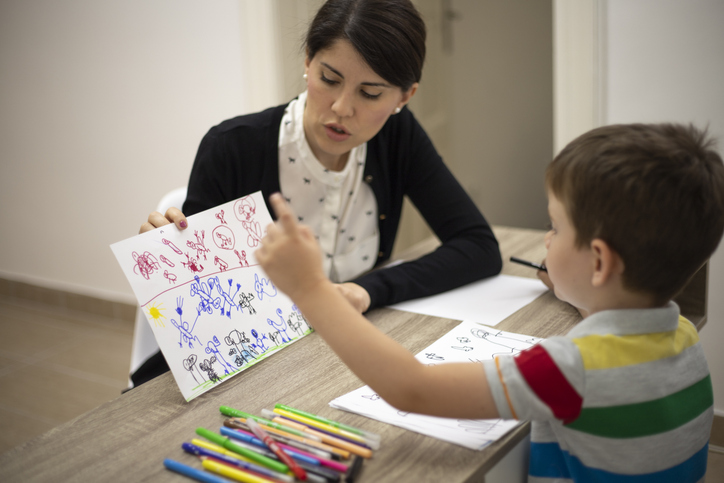
Our ABA Services

Individualized Program Design

Every child receives a custom treatment plan developed by our BCBA-D based on comprehensive assessment, family priorities, and cultural context. No cookie-cutter programs here.

BCBA-D designed Programs created by a doctorate-level Board Certified Behavior Analyst with advanced training in ethical, neurodiversity-affirming practice.
Family-centered goals Goals developed collaboratively with families based on what matters most to you and your child—not arbitrary benchmarks.
Culturally adapted Programs that respect Hawaiian and Pacific Islander values, incorporating ʻohana involvement and cultural practices.
Regular reassessment Ongoing data analysis and program updates to ensure treatment remains effective and relevant as your child grows.

Naturalistic Teaching

We use Natural Environment Training (NET) that embeds learning in play, daily routines, and natural interactions—not just at a table with flashcards.

Play-based learning Skills taught through child-preferred activities and play, making learning enjoyable and intrinsically motivating.
Embedded in routines Teaching happens during natural daily activities like meals, transitions, and community outings—where skills are actually needed.
Generalization focus Skills that transfer across settings, people, and materials—not just performance in therapy sessions.
Child-led opportunities Following your child's interests and motivation to create natural learning opportunities throughout the day.

Structured Family Training

Parents are the most important people in their child's life. We provide intensive training so you can implement strategies consistently across all environments.

Parent coaching One-on-one training with our BCBA to learn and practice strategies you can use every day at home.
Extended ʻohana welcome Grandparents, aunties, uncles, and other caregivers can participate in training—because it takes a village.
Home-based practice In-home sessions where we practice strategies in your actual environment with your family's routines.
Telehealth available Remote parent coaching sessions for busy families or when in-person visits aren't possible.

Communication Development

Whether your child uses spoken language, AAC devices, sign language, or other communication systems, we help them express their needs and connect with others.

Multiple modalities We support whatever communication method works best for your child—speech, sign, pictures, devices, or combinations.
AAC support Augmentative and Alternative Communication device programming, training, and integration into daily life.
Functional communication Prioritizing requests, protests, and social connection—the communication that matters most for quality of life.
Social skills Building genuine social connection and friendship skills, not masking or scripted social performance.

Behavior Support

Challenging behaviors often communicate unmet needs. We conduct functional behavior assessments to understand why behaviors occur and develop positive, proactive strategies.

Functional assessment Understanding the purpose of challenging behaviors—what need they're meeting—to address root causes.
Positive strategies Proactive, reinforcement-based approaches. We never use punishment, aversives, or coercive techniques.
Crisis prevention Environmental modifications and antecedent strategies that prevent challenging situations before they occur.
Skill replacement Teaching functional alternatives that meet the same need as challenging behaviors in appropriate ways.

School Consultation

We collaborate with schools to ensure consistency across settings, provide training to educational staff, and support IEP development with behavior expertise.

Teacher training Educating school staff on your child's specific needs, strategies, and behavior support plans.
IEP collaboration Attending IEP meetings, recommending appropriate goals, and advocating for your child's educational needs.
Consistency planning Ensuring strategies are implemented consistently across home, school, and community settings.
Progress monitoring Regular communication with school teams to track progress and adjust strategies as needed.

Our Neurodiversity-Affirming Approach

Modern ABA focused on quality of life, not compliance.

1

Assent Matters

We pay attention to your child's communication—verbal and nonverbal. If they're showing signs of distress, we stop and adjust. Therapy should never feel coercive.

2

Meaningful Goals

We focus on skills that genuinely improve quality of life: communication, self-advocacy, daily living skills, and emotional regulation—not eye contact or quiet hands.

3

Respect for Neurology

Stimming is okay. Different is okay. We help your child navigate a neurotypical world while honoring who they are—not trying to make them someone else.

4

Family Partnership

You know your child best. We bring behavioral expertise; you bring intimate knowledge of your child. Together, we create something neither could alone.

Frequently Asked Questions

How many hours of ABA does my child need?

It depends on your child's needs and family circumstances. We don't believe in one-size-fits-all recommendations. Some children thrive with focused hours; others benefit from fewer, more intensive sessions.

Is ABA harmful?

Historical ABA practices caused harm. Modern, ethical ABA practiced with neurodiversity-affirming principles is different. We prioritize your child's wellbeing, autonomy, and authentic self-expression.

Does insurance cover ABA?

Yes. Hawaiʻi law requires insurance coverage for autism treatment including ABA. Med-QUEST, TRICARE, and most commercial plans cover our services. We handle authorization.

What ages do you serve?

We provide ABA for children from early intervention age through young adulthood. The specific approach varies by developmental stage and individual needs.

Ready to Get Started?

We accept Med-QUEST, TRICARE, HMSA, and most commercial insurance. Sliding-scale fees available for uninsured families.